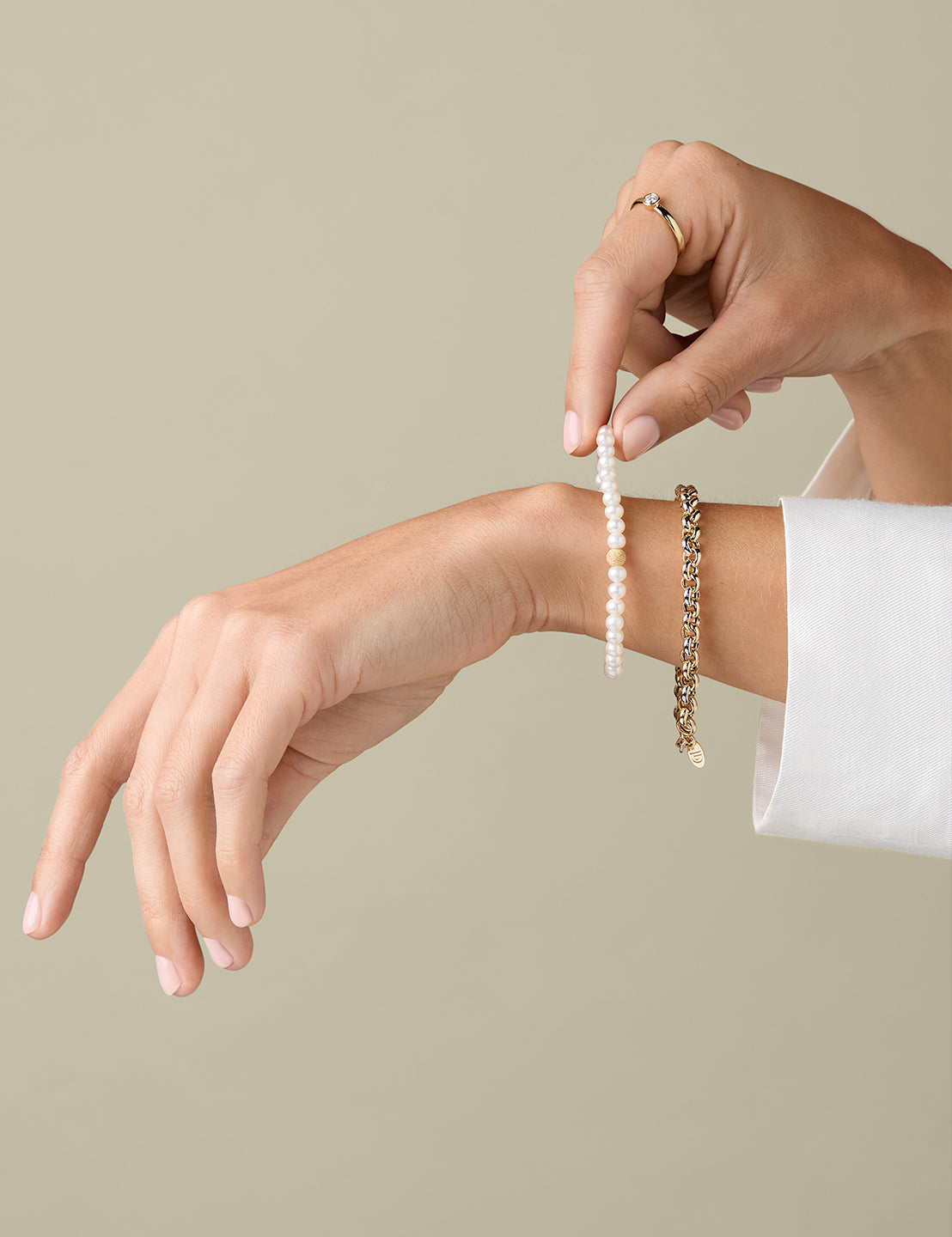

10 facts about pearls

Parels1_1_91b1badb-9c42-4ab4-952f-06d7c9a6ed3b.png

In the deep, mysterious waters of the oceans and seas around the world, a wondrous natural process takes place: the birth of pearls. These precious organic gemstones have fascinated and enchanted humanity for centuries with their beauty and symbolism.

Read 10 facts about beautiful pearls in this blog.

1. Pearling is a natural process

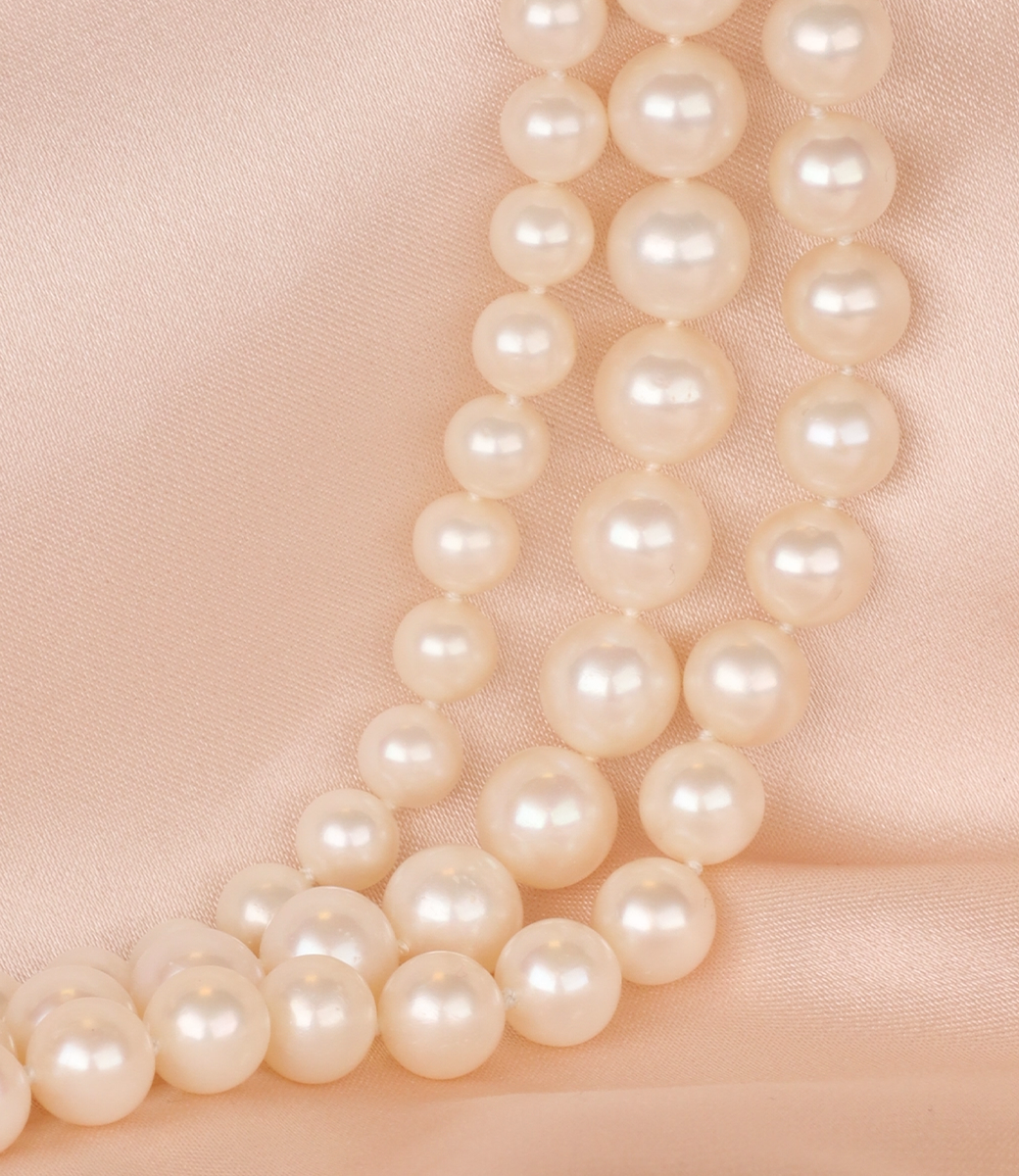
It all starts with a simple oyster or mussel. When a foreign object, such as a grain of sand or a small parasite, finds its way into the shell of one of these molluscs, the oyster reacts in a unique way. To protect itself from the intruder, the oyster begins to secrete layers of nacre to envelop the irritating object. These layers of nacre eventually form a beautiful pearl. 
Parels_2_69ac26ba-0e17-4f00-aaed-64d3ab58420c.png

2. Rarity of pearls

The rarity of pearls is one of the main reasons these gemstones have been so coveted and valuable throughout history. This rarity is due to several factors, such as the natural formation process mentioned earlier. In addition, natural pearls are usually gathered from wild oyster beds on the seabed. Locating these oyster beds and diving to the depths where they are found can be a dangerous undertaking. This makes the harvesting of natural pearls a time-consuming and risky activity.

The quality and size of a pearl also determine its rarity. When an oyster or mussel produces a pearl, its quality and size can vary greatly. Most natural pearls are small and irregularly shaped. Pearls of exceptional quality, such as large, perfectly round specimens, are extraordinarily rare. 

While most pearls on the market today are cultured, natural pearls remain a symbol of purity, luxury, and the wonders of nature. They are often considered true treasures and are sought after by collectors and jewelry enthusiasts around the world.

3. Symbolism of the pearl

Pearls are valued not only for their outward beauty, but also for their profound symbolism. They are often associated with purity, love, and wisdom. It is customary to see brides wearing pearls as a sign of innocence and purity during weddings. 

4. Pearls Were Used as Currency

In parts of Asia, such as India and the Middle East, pearls had long been considered valuable and were used for trade and payment. Pearls were sometimes used to enhance a bride's dowry or as a medium of exchange for goods and services.

5. Different types of pearls

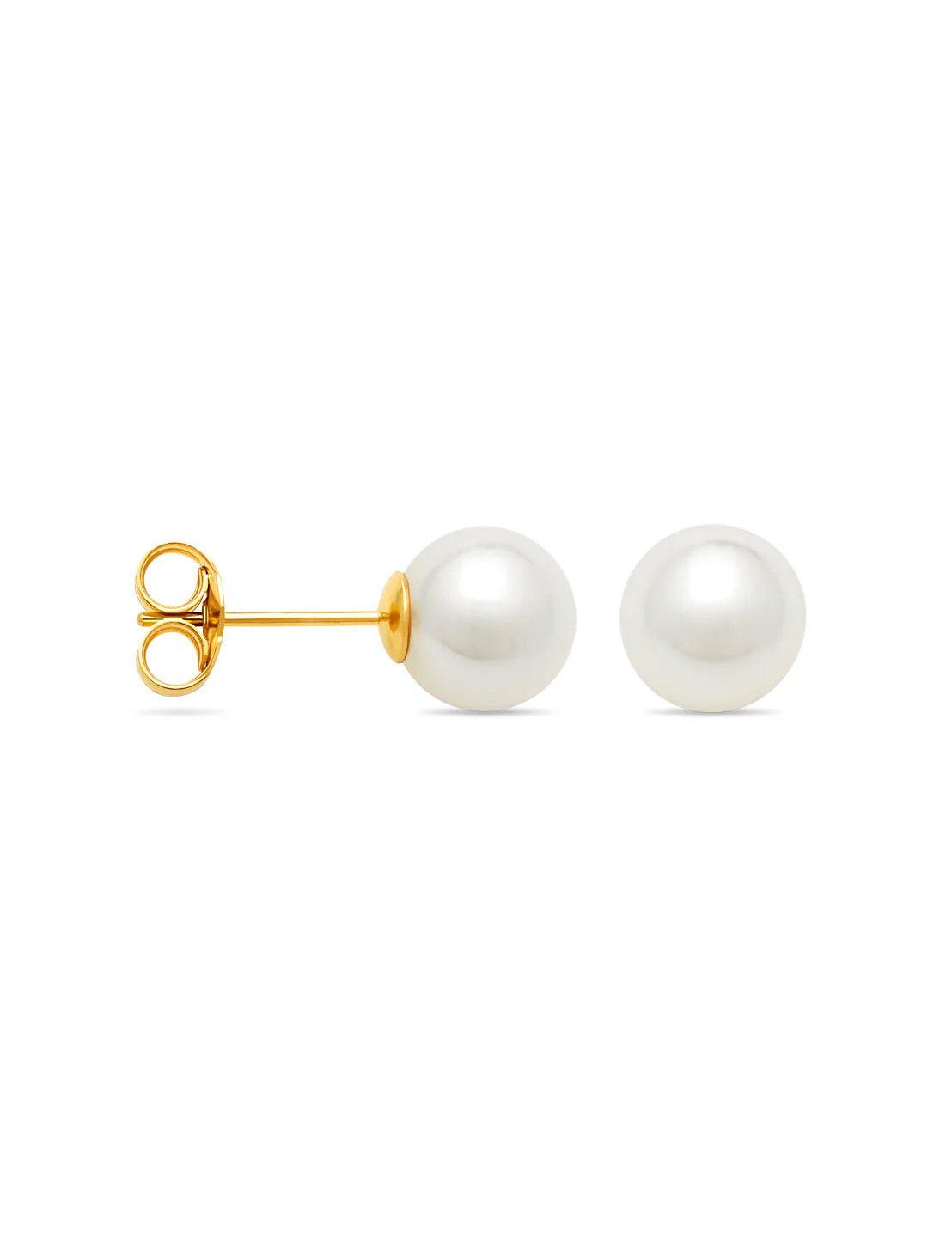
Natural and cultured pearls come in different types and varieties, each with its own unique characteristics and origin. Here are some of the most well-known types of pearls:

  1. Akoya pearls: These pearls are cultured in Japan and several other coastal regions around the world, such as China and Vietnam. Akoya pearls are known for their beautiful luster and classic white to light pink color. They are usually round and are often used in high-quality jewelry.
  2. Tahitian pearls: These pearls are cultured in French Polynesia, particularly in Tahiti. They are famous for their dark, exotic colors, ranging from black and dark gray to green, blue, and purple. Tahitian pearls are usually larger than Akoya pearls and have a unique appearance.
  3. South Sea pearls: South Sea pearls come from the waters around Australia, Indonesia, and the Philippines. They are known for their enormous sizes, ranging from 8 mm to as large as 20 mm. The colors of South Sea pearls range from white to gold and silver, and they have an impressive luster.
  4. Freshwater pearls: Freshwater pearls are cultured in freshwater lakes and rivers, primarily in countries such as China and the United States. They are usually smaller than saltwater pearls, but they come in various shapes and colors, including white, pink, lilac, and more. Freshwater pearls are generally more affordable than saltwater pearls.
  5. Australian pearls: These pearls are cultured on the northwest coast of Australia. They are known for their incredible beauty and are often associated with white and golden colors. The most famous Australian pearls come from the Pinctada maxima oyster.
  6. Keshi pearls: Keshi pearls are small, irregularly shaped pearls that sometimes form as a byproduct of culturing other pearls, especially Tahitian and South Sea pearls. They are valued for their unique, organic appearance.
  7. Mabe pearls: Mabe pearls, also known as half pearls, are cultured on the inside of the oyster shell instead of in the soft tissue of the oyster. This gives them a flat side, and they are often used in earrings and rings.

Each type of pearl has its own characteristics and appeal. The choice of a particular type of pearl depends on personal preference, budget, and the intended jewelry design.

6. Pearlescent colors

Natural and cultured pearls come in a wide range of colors, each with its own unique appearance. The color of a pearl is influenced by several factors, including the type of oyster or mussel, environmental conditions, and any pigments in the water. Here are some of the most common pearl colors:

Pearls_1.png
Pearls_1.png

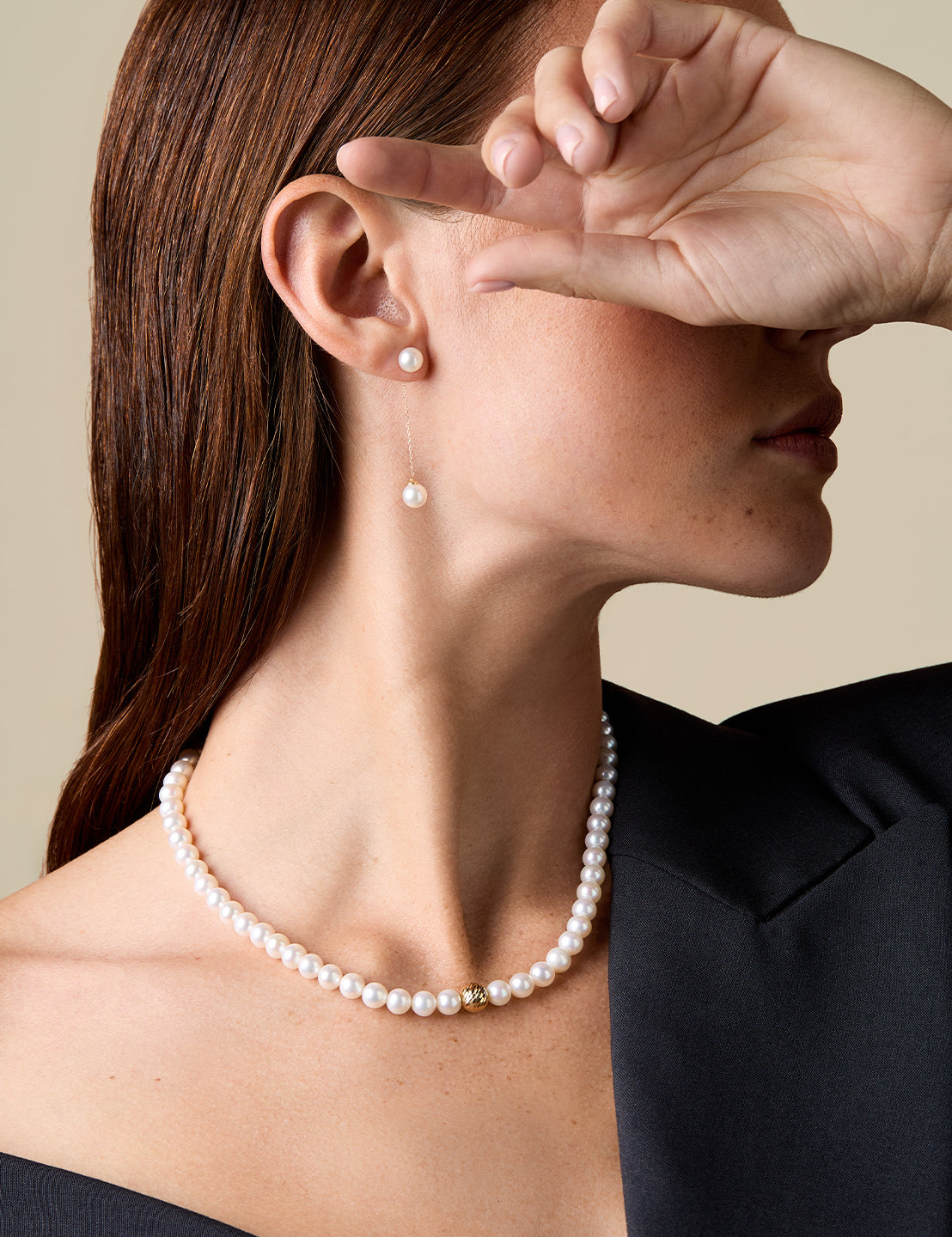
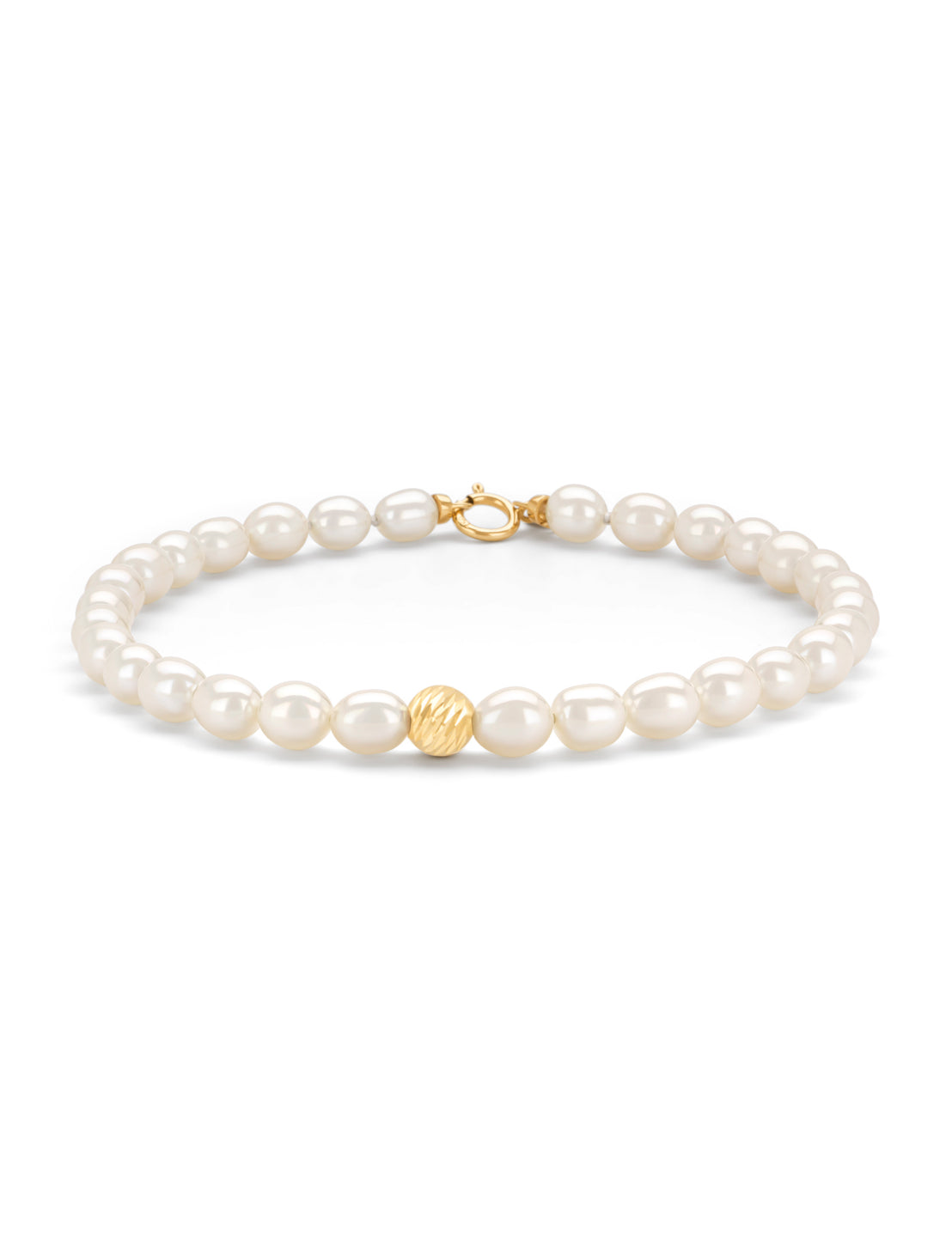
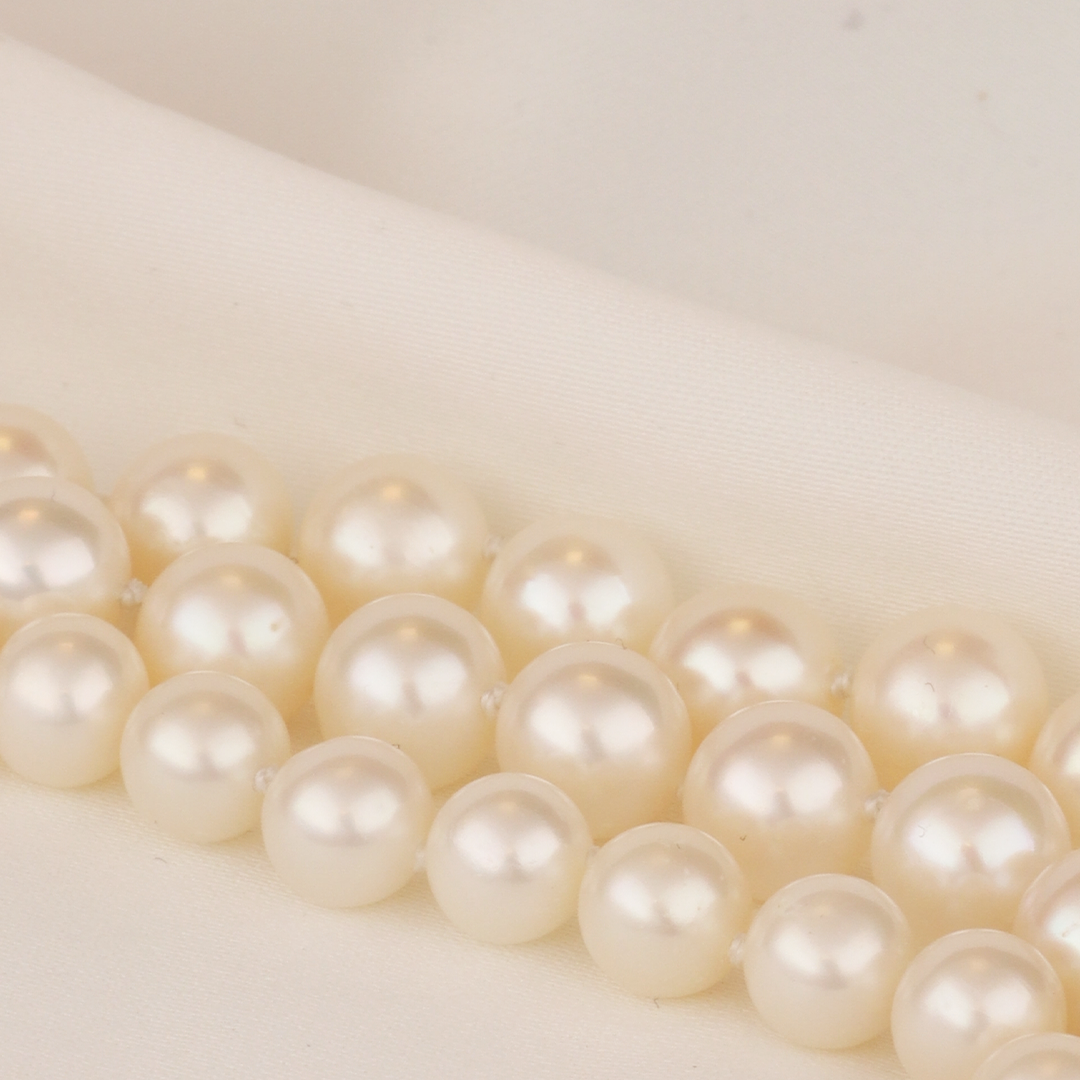
  • White pearls: White pearls are classic and timeless. They range from pure white to cream and often have a soft luster. White pearls are often associated with purity and elegance. They can be found in Akoya pearls, South Sea pearls, and freshwater pearls.
  • Pink pearls: Pink pearls have a delicate, romantic appearance. They range in shade from light pink to deep pink. Pink pearls can be found in various pearl types, including Akoya pearls and freshwater pearls.
  • Lavender and lilac pearls: These pearls have a soft purple hue that ranges from light lavender to deep lilac. They are often found in freshwater pearls and are prized for their unique color.
  • Black pearls: Black pearls, such as Tahitian pearls, are world-famous for their dark, exotic colors. They range from deep black to dark green, blue, purple, and brown. The diversity of colors in Tahitian pearls makes them highly sought after.

  • Golden pearls: Golden pearls range from light yellow to deep gold. They are often associated with luxury and wealth. Golden pearls can be found in South Sea pearls and some Akoya pearls.
  • Silver pearls: Silver pearls have a cool, silvery luster. They are often associated with modernity and elegance. Silver pearls occur in South Sea pearls and some Akoya pearls.
  • Blue pearls: Although blue pearls are rare, they can be found in some South Sea pearls. They range from light blue to deep blue and have a serene appearance.
  • Green pearls: Green pearls can be found in some Tahitian pearls and range from light green to olive green. They have a natural and earthy appearance.

It is important to note that the color of a pearl is determined not only by its outermost layer, but also by the reflections and refractions of light inside the pearl. This gives pearls their characteristic luster and iridescence.

7. The greatest pearl in the world

The largest pearl in the world is known as the "Pearl of Lao Tzu" or the "Pearl of Allah". This pearl is exceptionally large and heavy and has a rich history and legendary status. The pearl weighs 6.4 kilos(!) and has a diameter of 24 centimeters. 

Parels2_1.png
Parels2_1.png

8. Pearl Cultivation

Pearl farming, also known as pearl or cultured pearl cultivation, is a fascinating process in which human intervention is used to produce pearls in oysters or mussels. Pearl farming has transformed the global pearl industry and has significantly increased the availability of pearls. It allows jewelry lovers to wear affordable and diverse pearls, while also contributing to the protection of wild oyster populations. Although natural pearls are still highly valued for their rarity, cultured pearls have played an important role in popularizing pearls as an accessible and beautiful form of jewelry.

9. Pearl Care

Pearl care is important to preserve the beauty and durability of pearls, as pearls are an organic material and can be sensitive to damage. Here are some important tips for caring for pearls