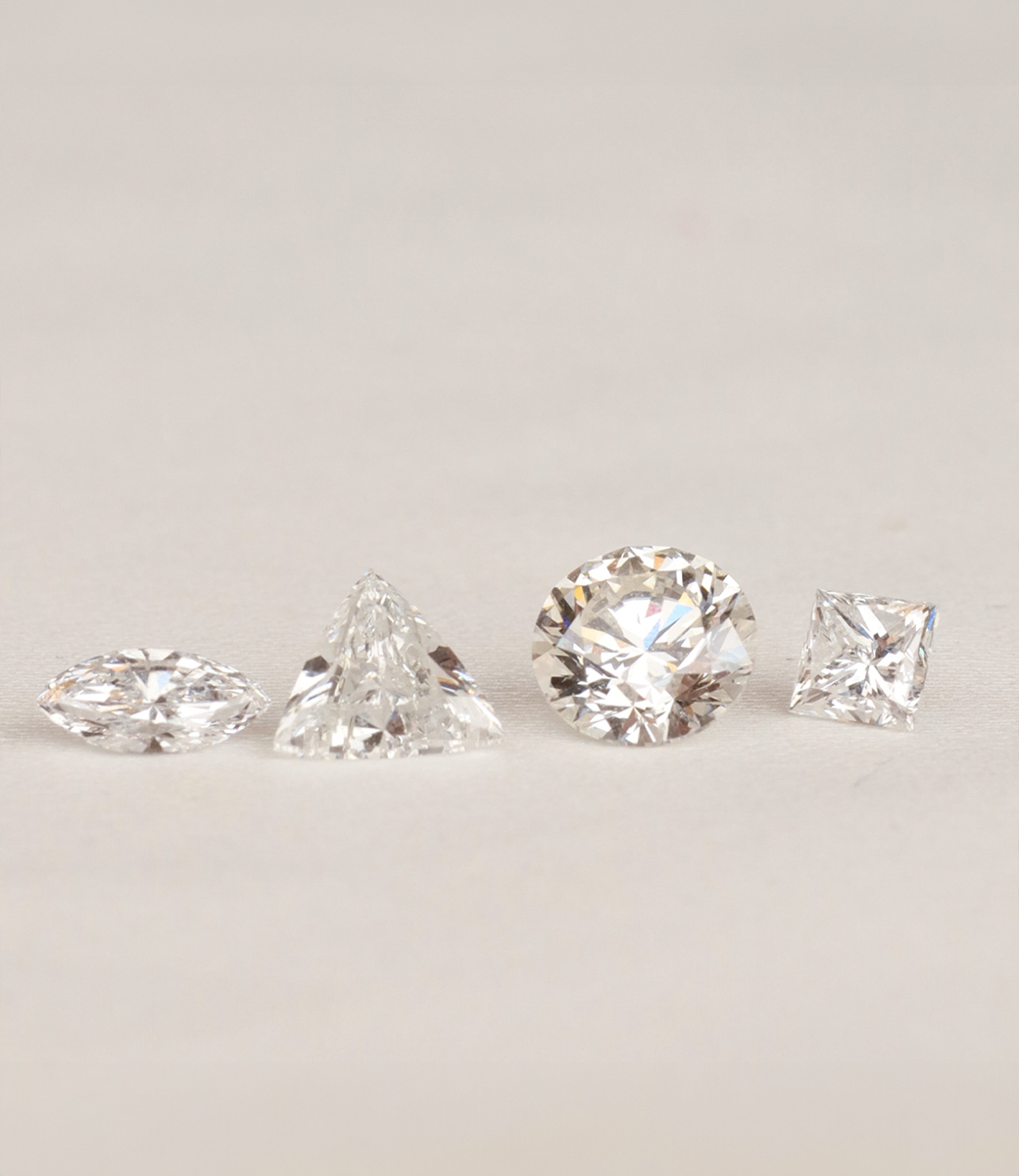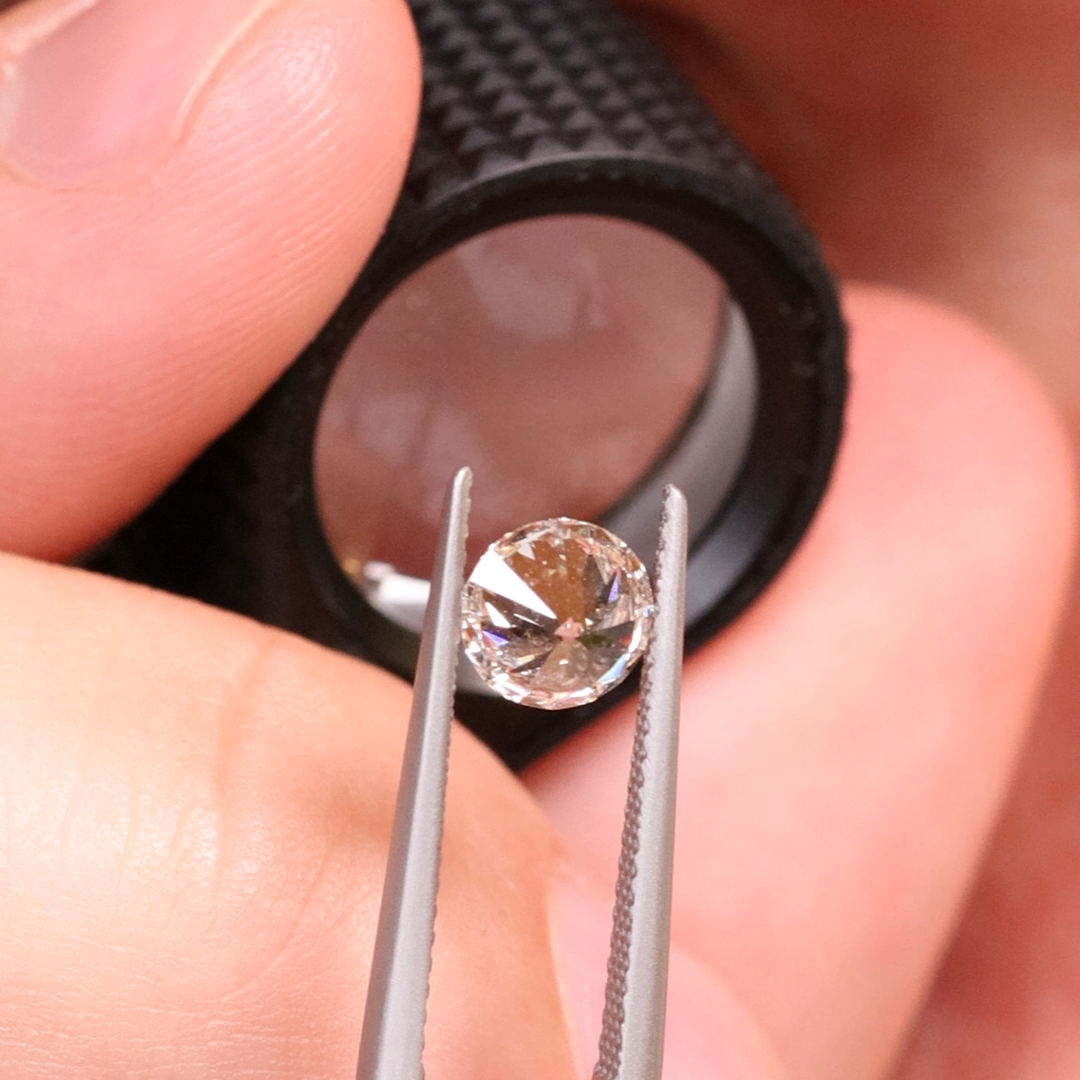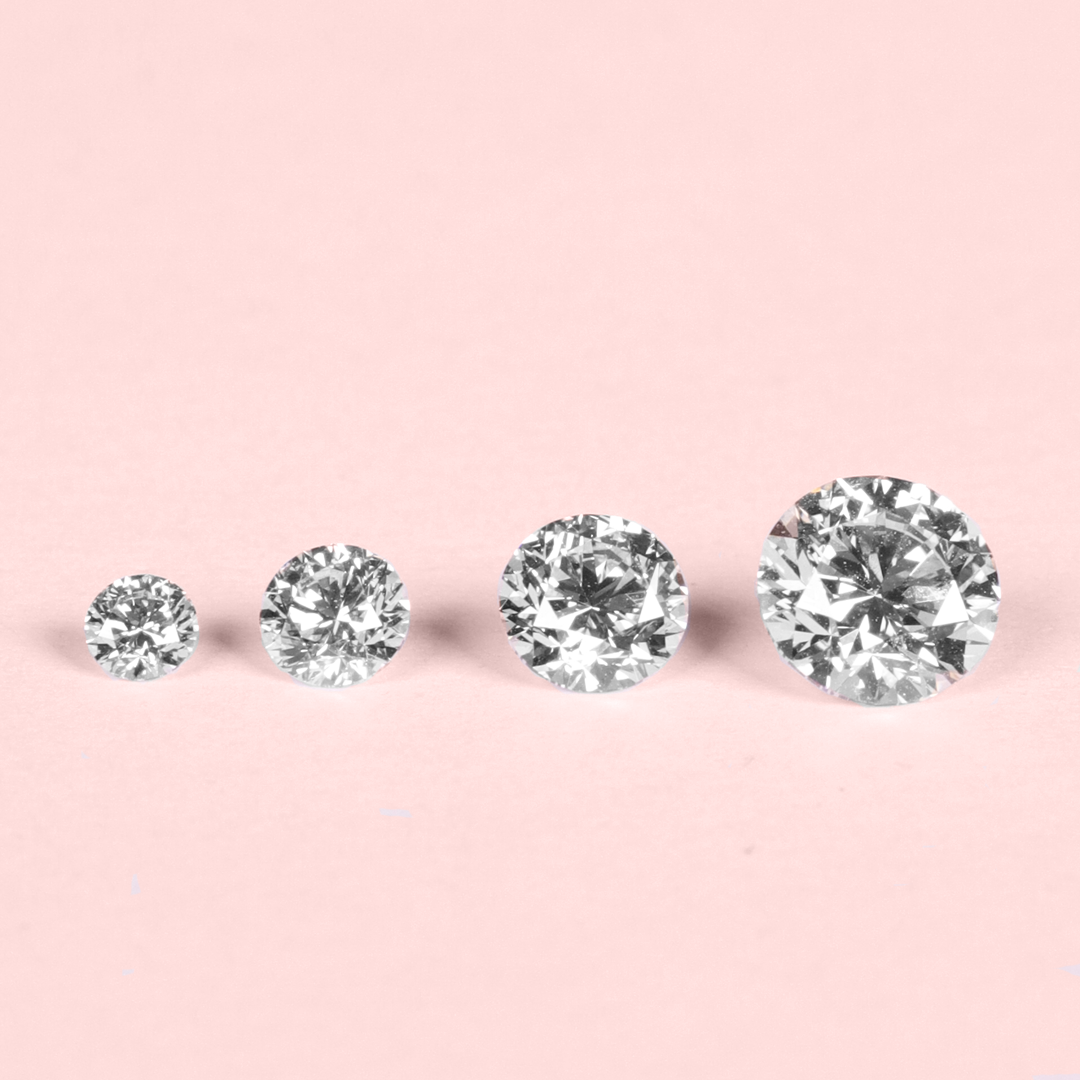






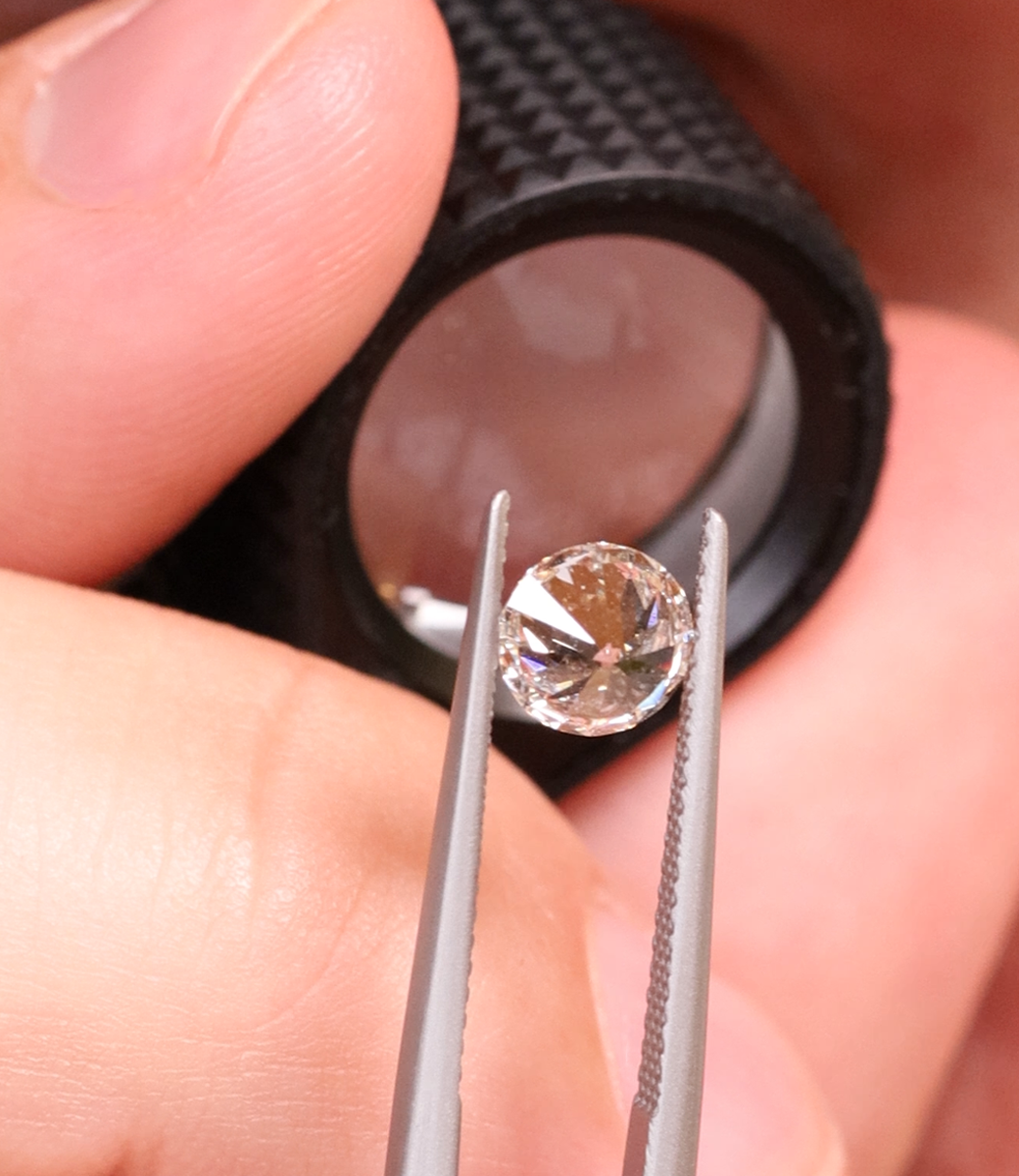
Diamonds are graded on a clarity scale that begins with 'Flawless' (Flawless), with no visible inclusions or imperfections, and extends to 'Included' (Included), where impurities are easily noticeable to the naked eye. Between these extremes are grades such as 'Very, very small inclusions' (Very Very Slightly Included), 'Very small inclusions' (Very, Slightly Included), 'Small inclusions' (Slightly included), each with its own subtleties.
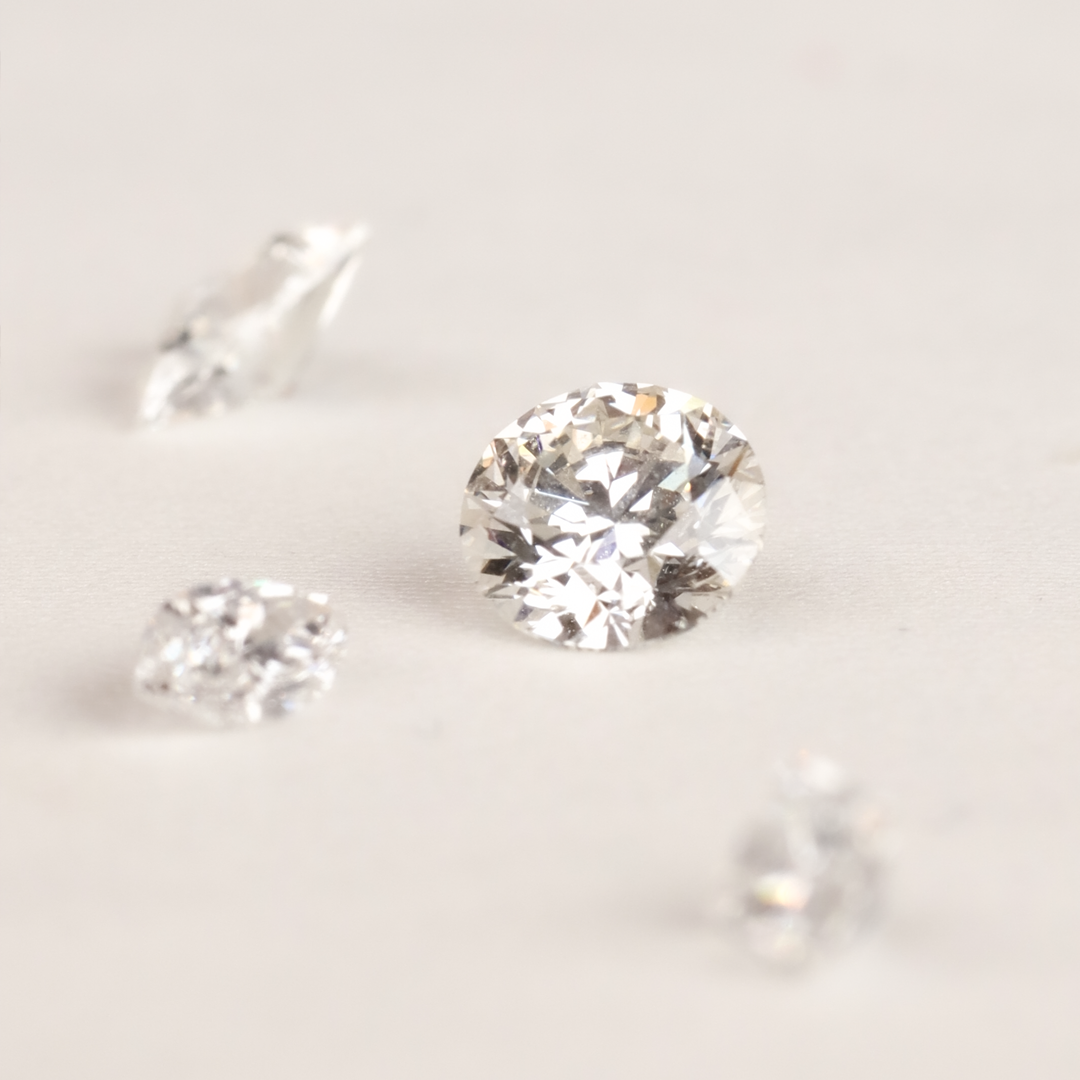
A diamond with a high clarity grade, such as Flawless or Very, Very Slightly Included, will exhibit a beautiful sparkle and brilliance because there are few to no imperfections to disturb the light as it travels through the stone. Such diamonds are rare and precious, and they are often the choice for engagement rings and other invaluable jewelry.
On the other hand, diamonds with slightly lower clarity still offer a brilliant sparkle and can represent excellent value for those who want to combine beauty with budget considerations. When choosing a diamond, it is important to consider clarity in combination with the other '4Cs' - Carat, Cut, and Color - to find the perfect stone that suits your taste and needs."