







The value of a diamond is determined based on four factors, the 4Cs:
- Cut (cut)
- Colour (colour)
- Clarity (clarity)
- Carat weight (carat weight)

The cut of a diamond is the shape into which the rough diamond is cut before the diamond is set in a piece of jewelry. There are many different shapes in which a diamond can be cut. The best-known diamond cuts are, for example, the Brilliant, Princess, Baguette, and Hearts & Arrows.
The value of a diamond is determined based on four factors, the 4Cs:
Of these 4 Cs, the cut is the only factor that humans can influence. It requires craftsmanship and even mathematics to transform a rough diamond into a cut diamond. The diamond cutter must therefore achieve perfect proportions, finish, and symmetry. This is important because these factors determine the diamond's brilliance and 'fire' (the dispersion and reflection of light).
A diamond can be cut into various shapes, of which the brilliant is the best-known cut. However, there are many more cuts, each with its own unique characteristics. We have listed the best-known cuts and their special characteristics for you.

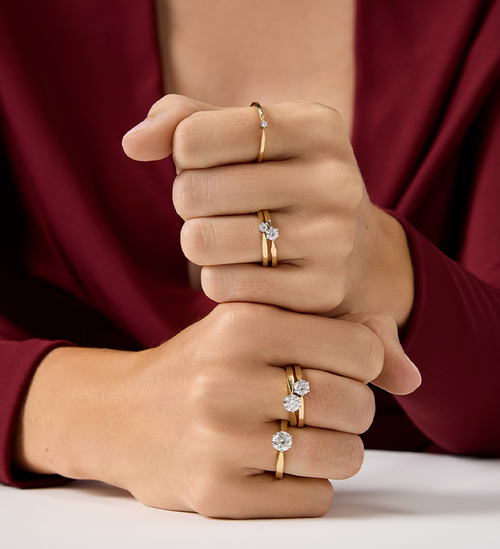
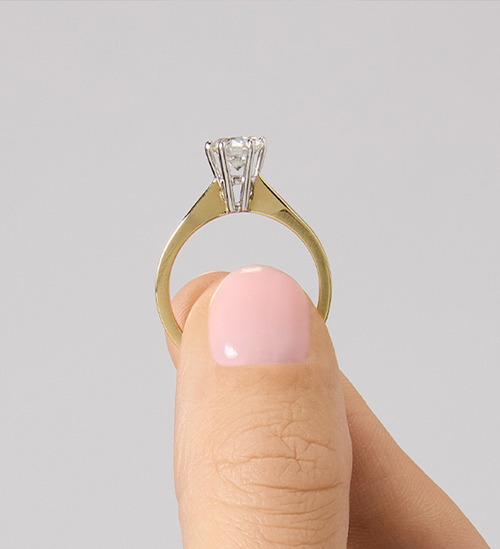
Also known as ‘the round diamond’: the best-known and most popular cut with 57 facets. With its exceptional brilliance and modern, timeless appearance, this cut can be seen in many engagement rings and other pieces of jewellery.

The baguette cut is elongated with a rectangular, faceted surface. The sparkle of the diamond softens the straight lines. The baguette cut creates a kind of ‘halls of mirrors’ effect with its play of light, giving it an elegant and sophisticated appearance.

The breathtakingly beautiful cushion-shaped diamond is known for its large facets and rounded corners, which optimize the diamond's brilliance. The shape and cut accentuate the intensity and color of diamonds and other colored gemstones. The cut is a perfect blend of traditional design and modern technology.

In one word; unique. The emerald cut has a rectangular shape in which both the pavilion and the corners are cut. The Emerald Diamond looks very similar to the baguette diamond but consists of more angles. The Emerald Diamond consists of 48 to 50 facets.

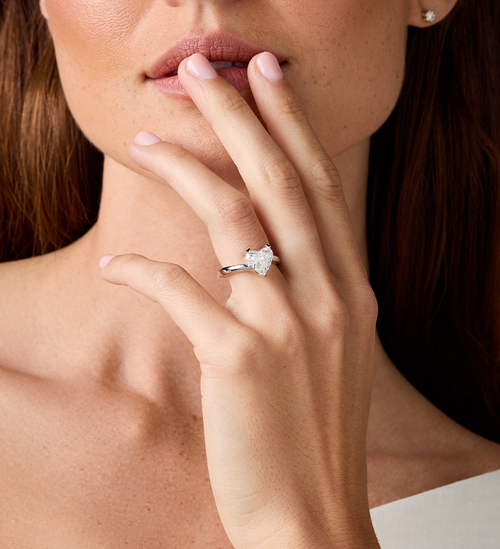
The ultimate symbol of love is considered the most romantic shape of diamond in a brilliant cut.

The marquise cut has 58 facets, is long and narrow, and tapers to points at the ends. The sparkle comes from the center of the diamond. This cut makes fingers and hands look longer and slimmer. This cut is a real eye-catcher.

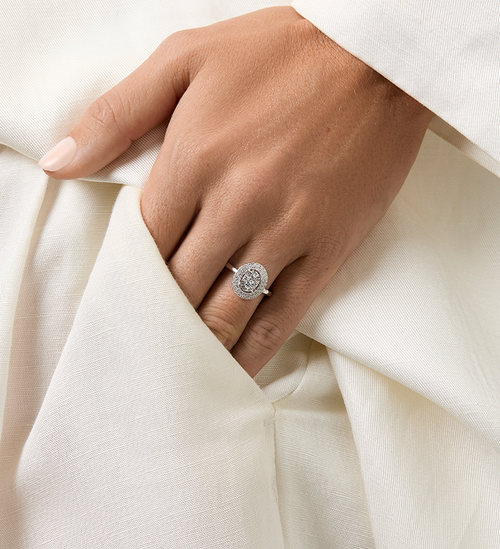
Oval diamonds have almost the same sparkle as the round brilliant. This cut consists of 56 facets and, due to the oval shape, rings with an oval diamond make the hands and fingers appear longer and slimmer.

The pear (or pendeloque) cut is shaped like a teardrop. It is therefore a combination of the round brilliant cut and the marquise cut and features 58 facets.

Specially designed to bring out the maximum brilliance in a square shape. A Princess diamond consists of 76 facets. Thanks to its traditional look with a modern twist, this cut is also frequently used in engagement rings. Perfect for modern-day royalty!


